A Hittite Capital State: Šapinuwa
“Speak to My Lord the King and My Lady the Queen:
Thus says your servant, the priest:
‘May all be well before My Lord the King and My Lady the Queen.
May the gods keep My Lord the King and the Queen alive; may they grant the King and the Queen health, well-being, power, life, and strength, and may they protect them…’”
A letter uncovered in the Ortaköy–Šapinuwa archives
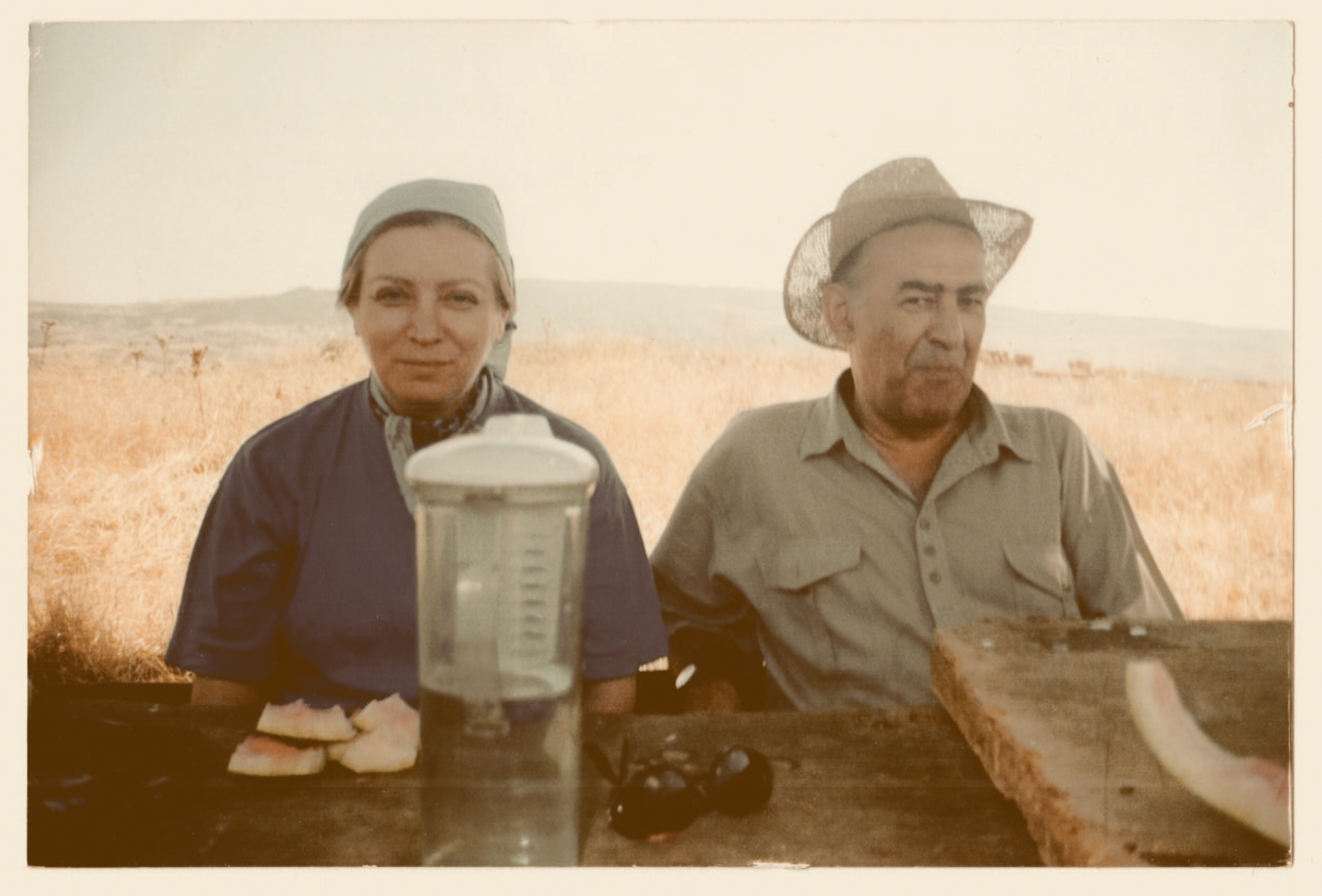
Discovered in 1988 by the hittitologist and archaeologist couple Prof. Dr. Aygül Süel and Dr. Mustafa Süel, the Hittite capital Šapinuwa is located within the Kelkit–Yeşilırmak Valley, along the historical route that connected the Caucasus to Central Anatolia. This route played a crucial role in the transportation of commercial goods flowing from the Caucasus in the east, as well as agricultural products from the fertile plains of Tokat and Amasya, toward western regions and Central Anatolia.
One of the primary factors that determined Šapinuwa’s historical significance as a Hittite city was precisely this route. Situated at one of the most important passages and stopping points along a road characterized by intense movement and economic vitality, the city thus acquired its first defining feature. Another key characteristic of Šapinuwa was its significant and indispensable religious identity. Within the Hittite world, this religious character held exceptional importance, one of its most distinctive elements being the strong influence of Hurrian religious traditions. In the Hittite religious sphere, purification from sin was believed to be achieved in Šapinuwa through the reading of Hurrian ritual texts known as itkalzi, prepared by Šapinuwan priests. This practice endowed Šapinuwa with the status of a consecrated and sacred city.
Information obtained from the Šapinuwa archives clearly indicates that this Hittite city functioned as a major administrative center. The documents reveal that the Hittite Great King resided here for an extended period and governed the Hittite state from this city, effectively making Šapinuwa a capital. Excavations at Ortaköy–Šapinuwa have yielded not only architectural remains but also significant and often rare small finds made of metal, ceramics, stone, and other materials. In addition, numerous cuneiform tablets and tablet fragments have been uncovered. The majority of the tablets discovered to date belong to the Middle Hittite period (14th century BCE), during which the royal couple Tašmišarri (Tudhaliya II/III) and Taduhepa ruled from this city and administered the state.
The Ortaköy Archive constitutes the second-largest discovered archive of the Hittite period in Anatolia, after Boğazköy. Nearly 4,500 tablets and tablet fragments have been recovered, written in various languages and addressing a wide range of subjects. These texts include Hittite, Hurrian, Hattic, and Akkadian, among others. Tablets dealing with administrative matters, religious rituals, divination, and related topics clearly demonstrate that the archive belonged to a royal administrative center.